
Duration:
2 Months
Role:
UX/UI Designer
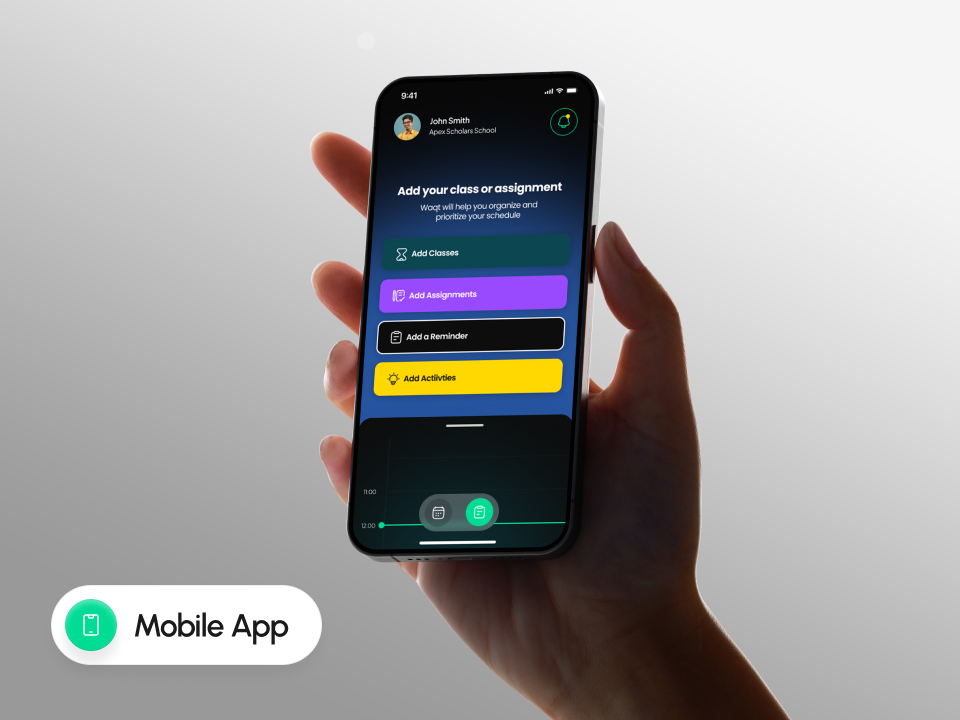
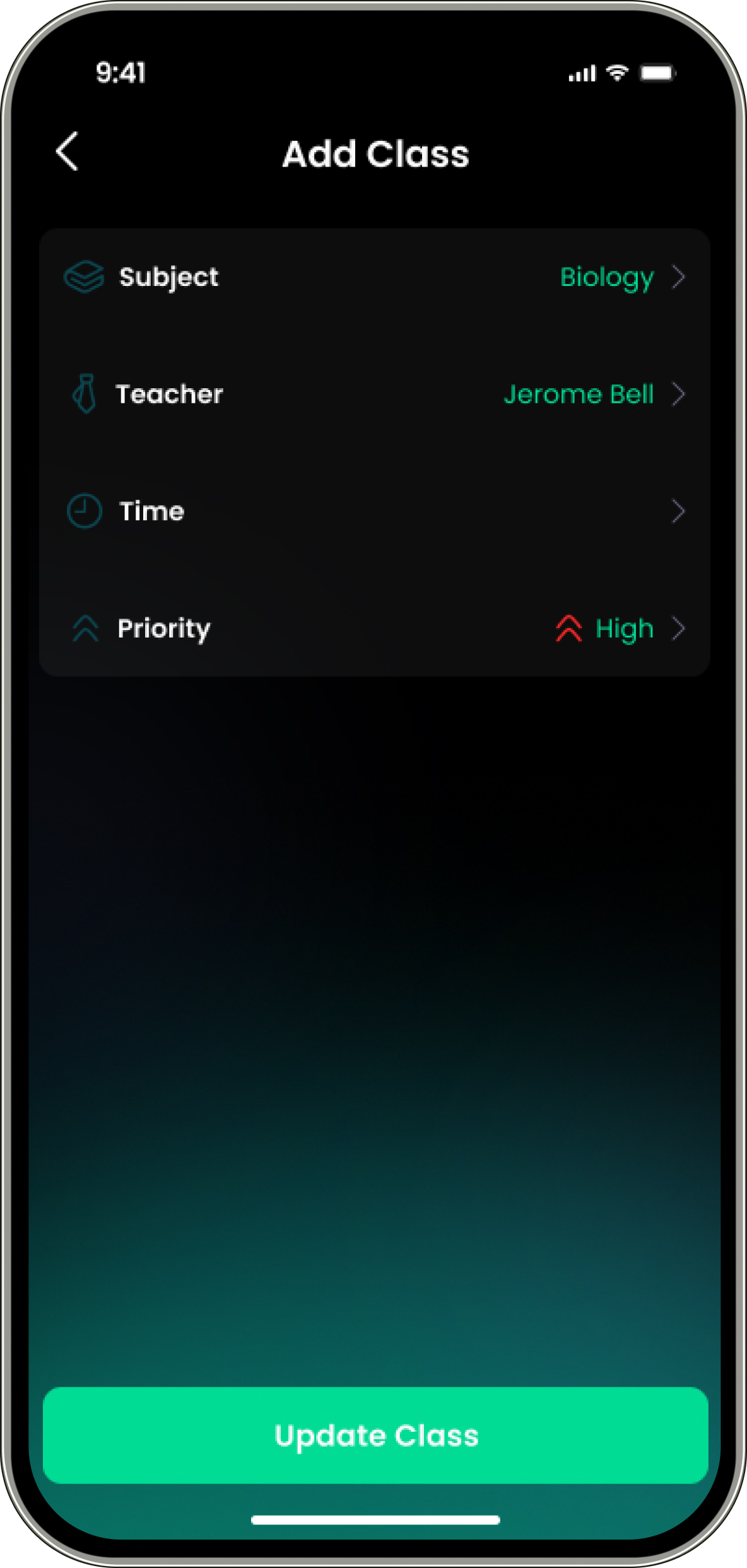
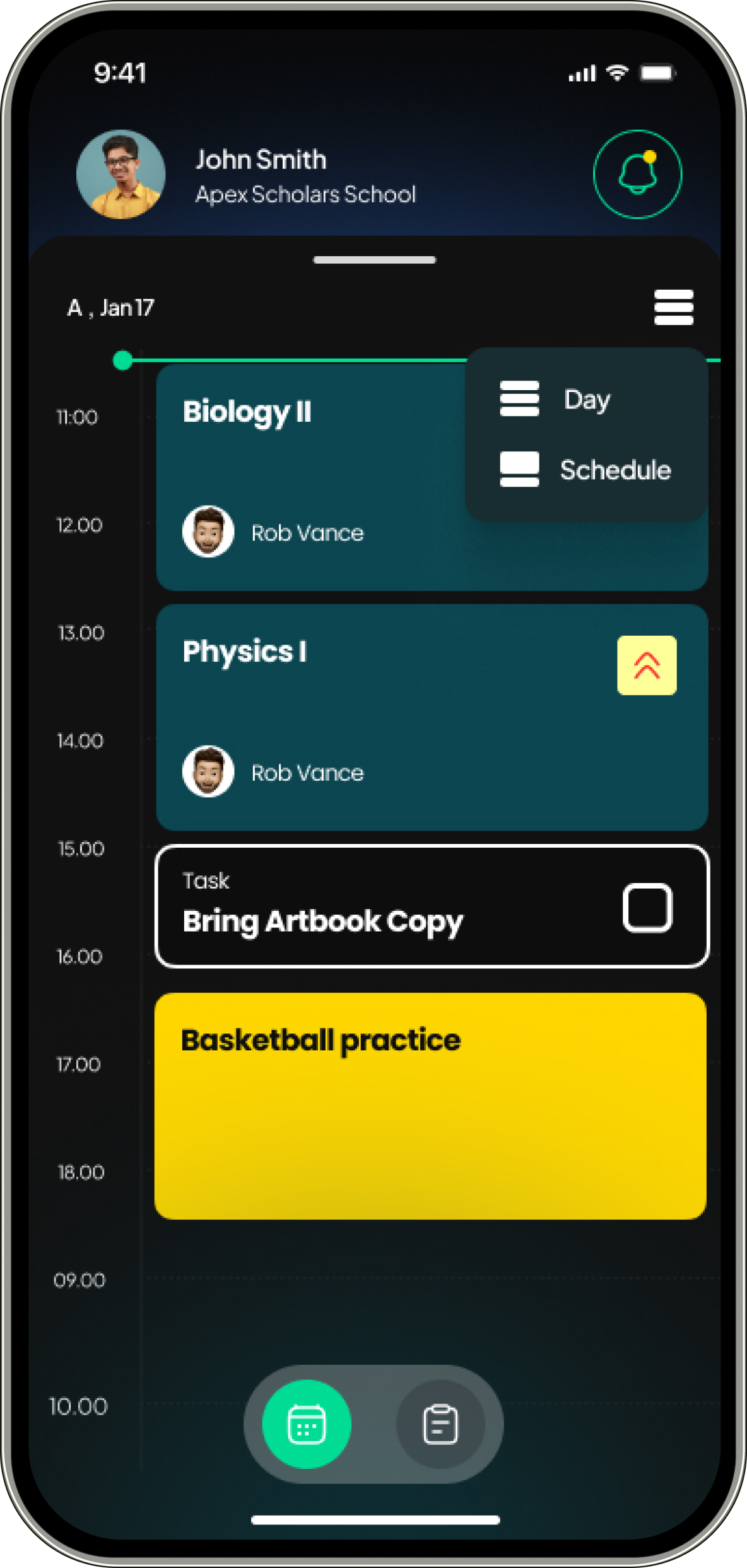
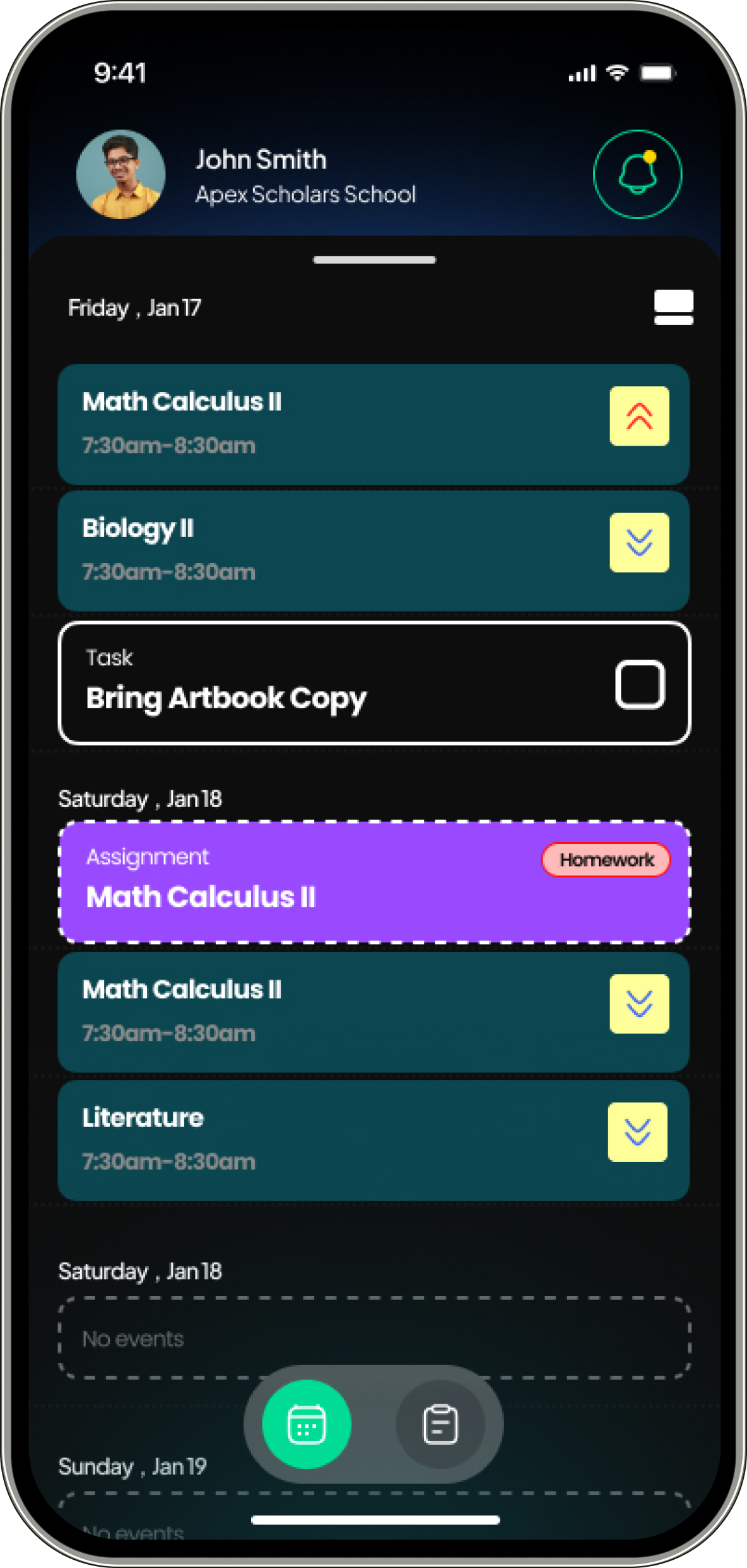
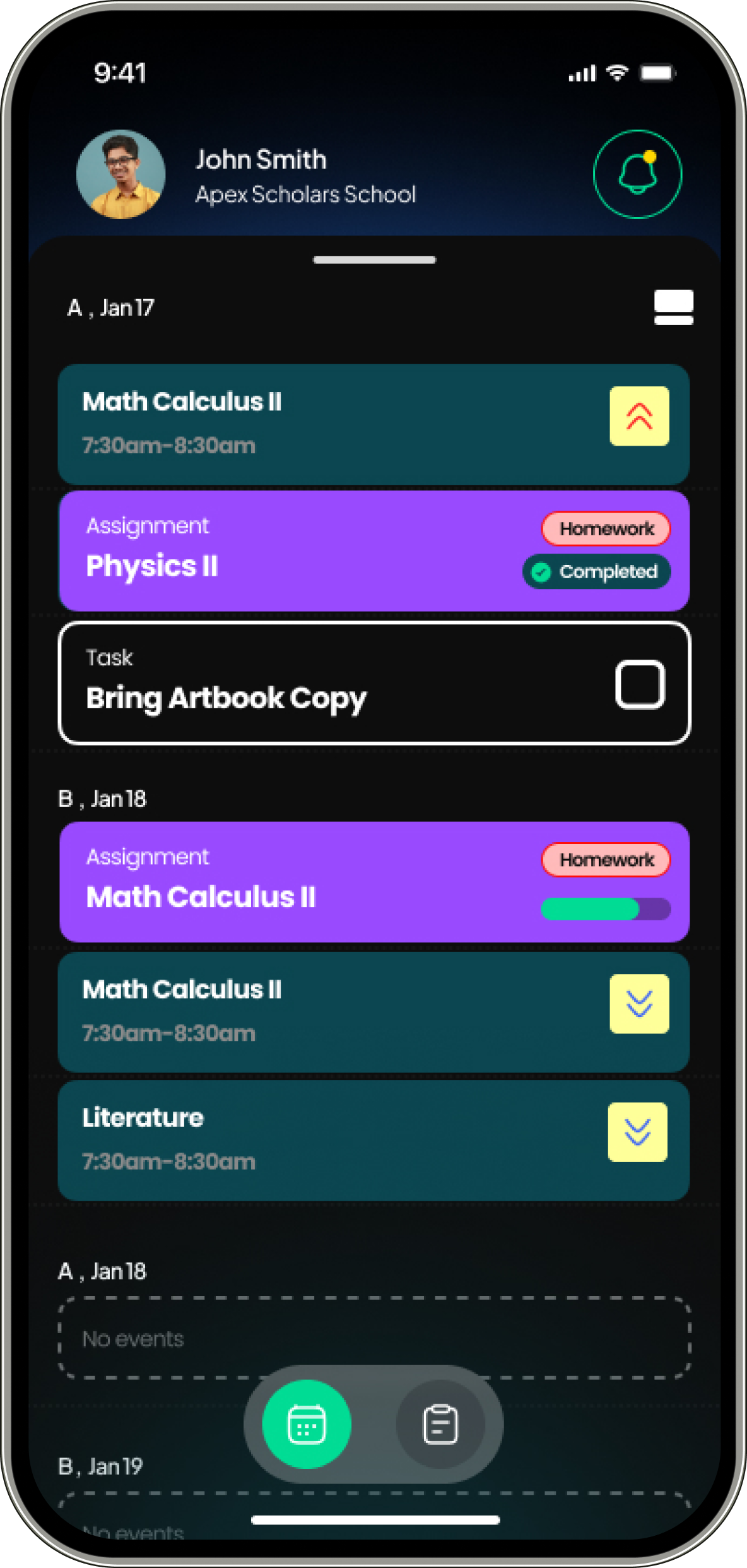
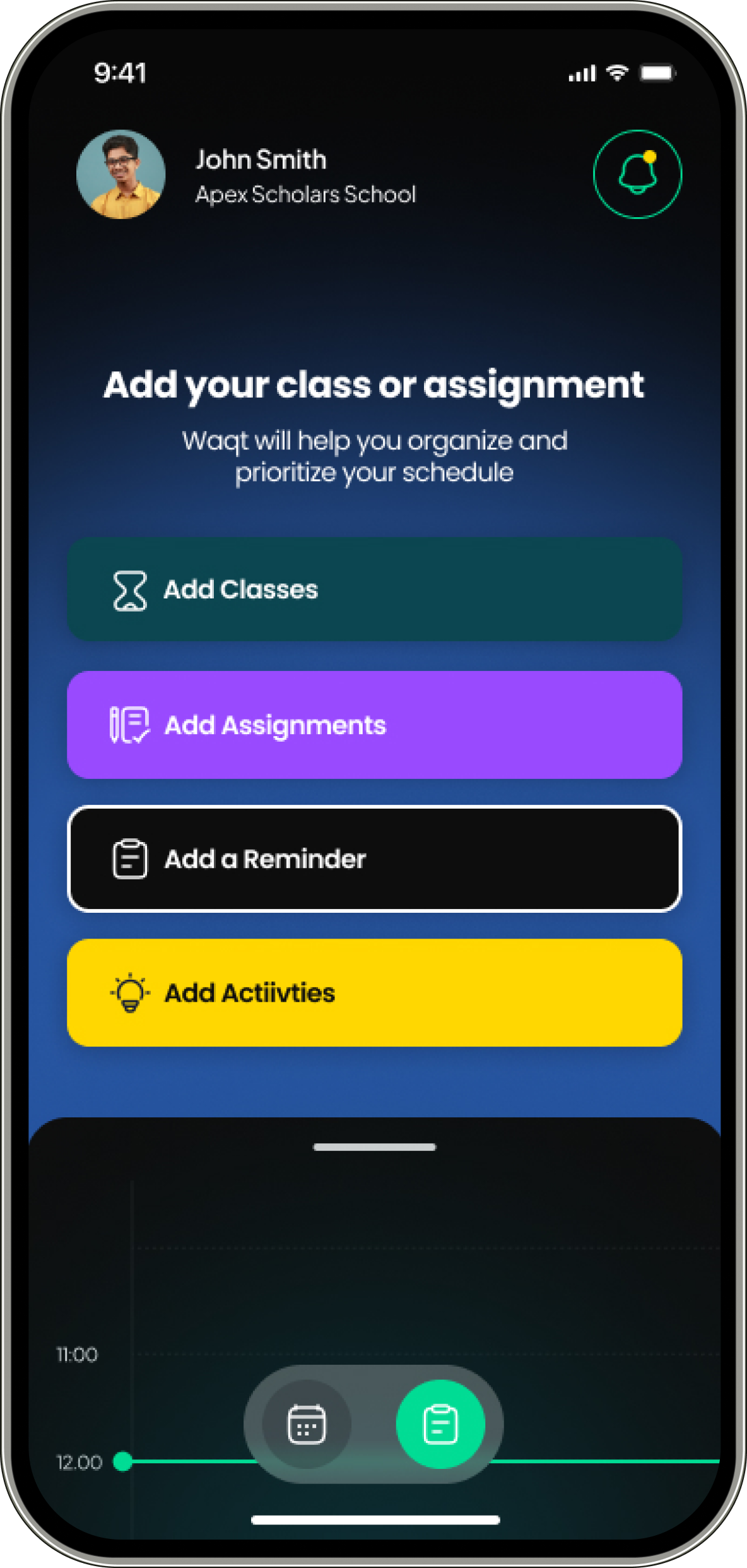
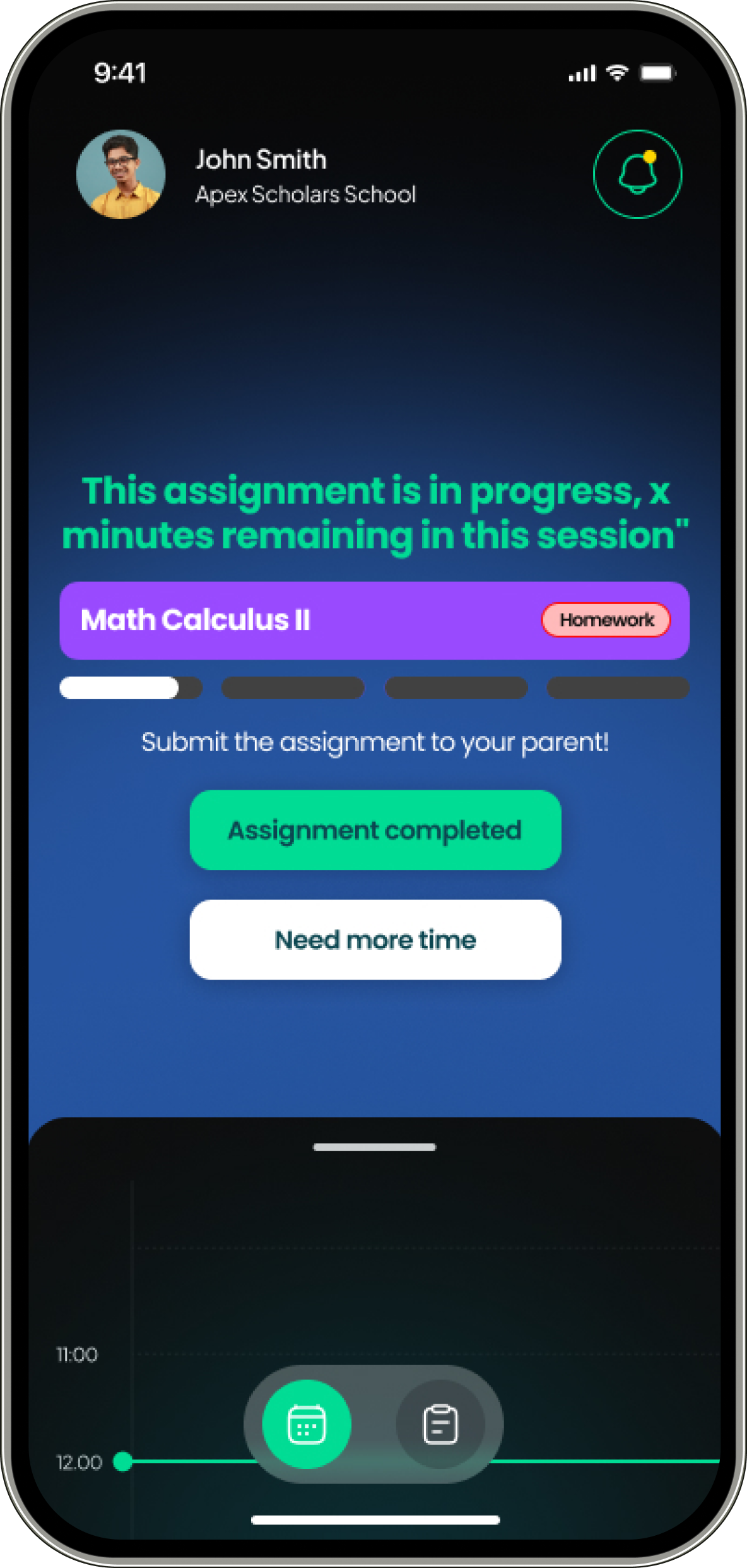
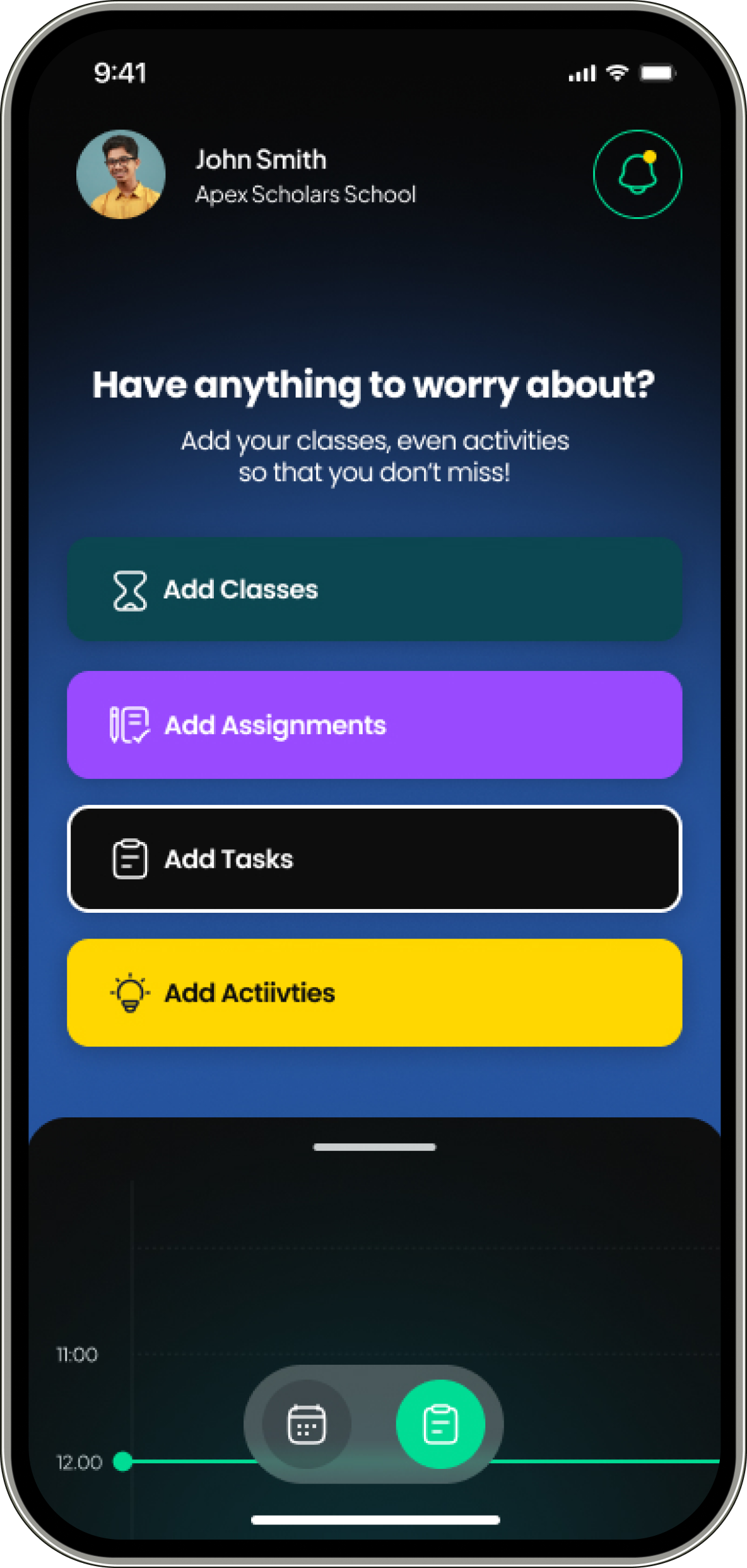
This project was completed over a two-month period and involved designing both the student and parent panels of the Waqt app.
The goal was to create a seamless time management experience tailored for students while enabling supportive oversight for parents.
Problem Statement
Students often struggle to manage their time due to overlapping academic tasks and extracurricular activities. This leads to missed deadlines, stress, and lack of structure—while parents have little visibility to help proactively.

Objectives & Goals
- Design a dynamic scheduling system that adapts to students’ free time and task load
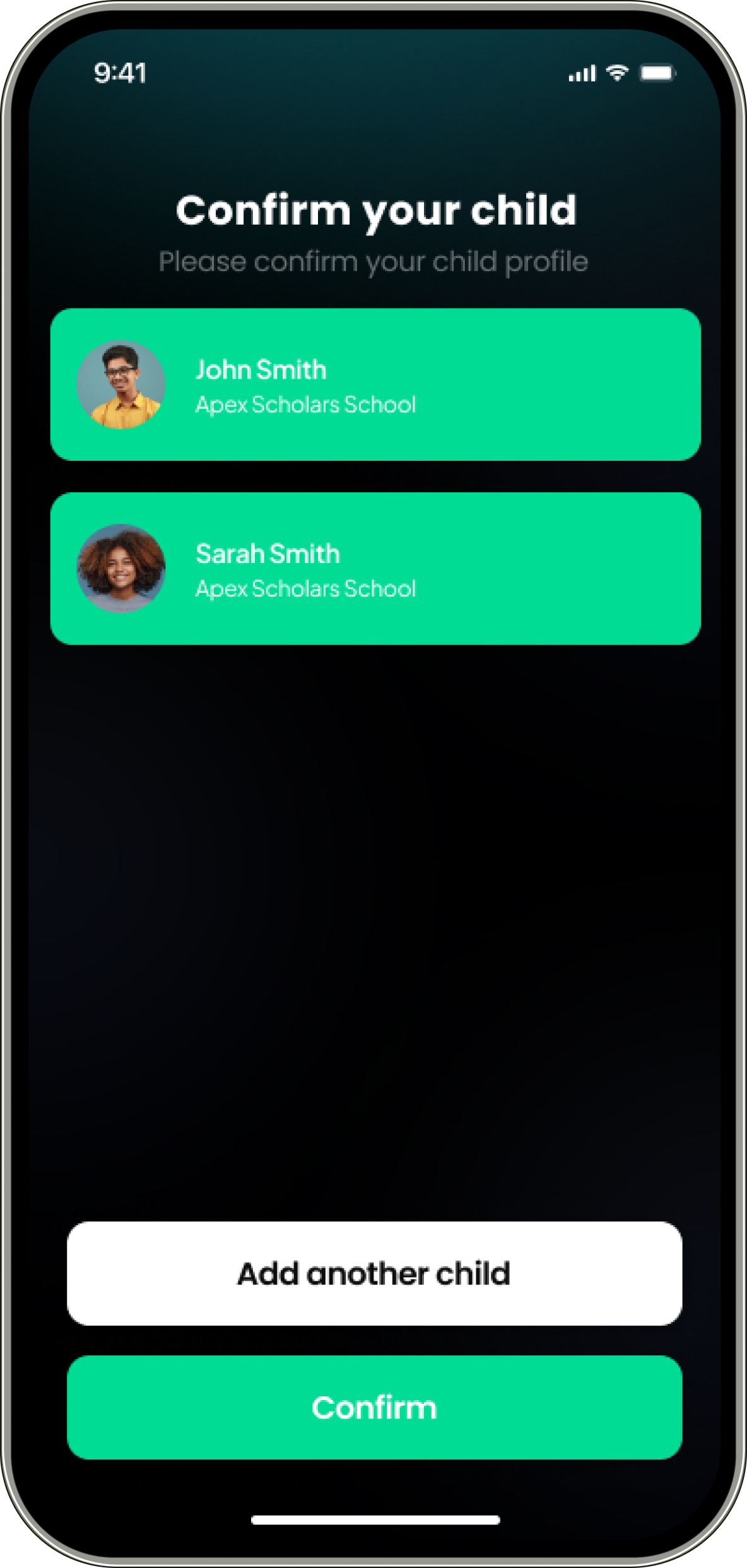
- Provide a separate parent dashboard for non-intrusive monitoring and support
- Enable students to prioritize tasks based on urgency, importance, and confidence
- Deliver a clean, intuitive interface tailored to both younger and older students
Design Process
Business Challenges
- Students often miss deadlines due to poor task prioritization
- Difficulty managing time between school, homework, and extracurriculars
- Lack of engaging, age-appropriate scheduling tools for younger users
- Parents struggle with limited visibility into academic progress
- Existing apps don’t support collaborative task tracking between students and parents
Product Users
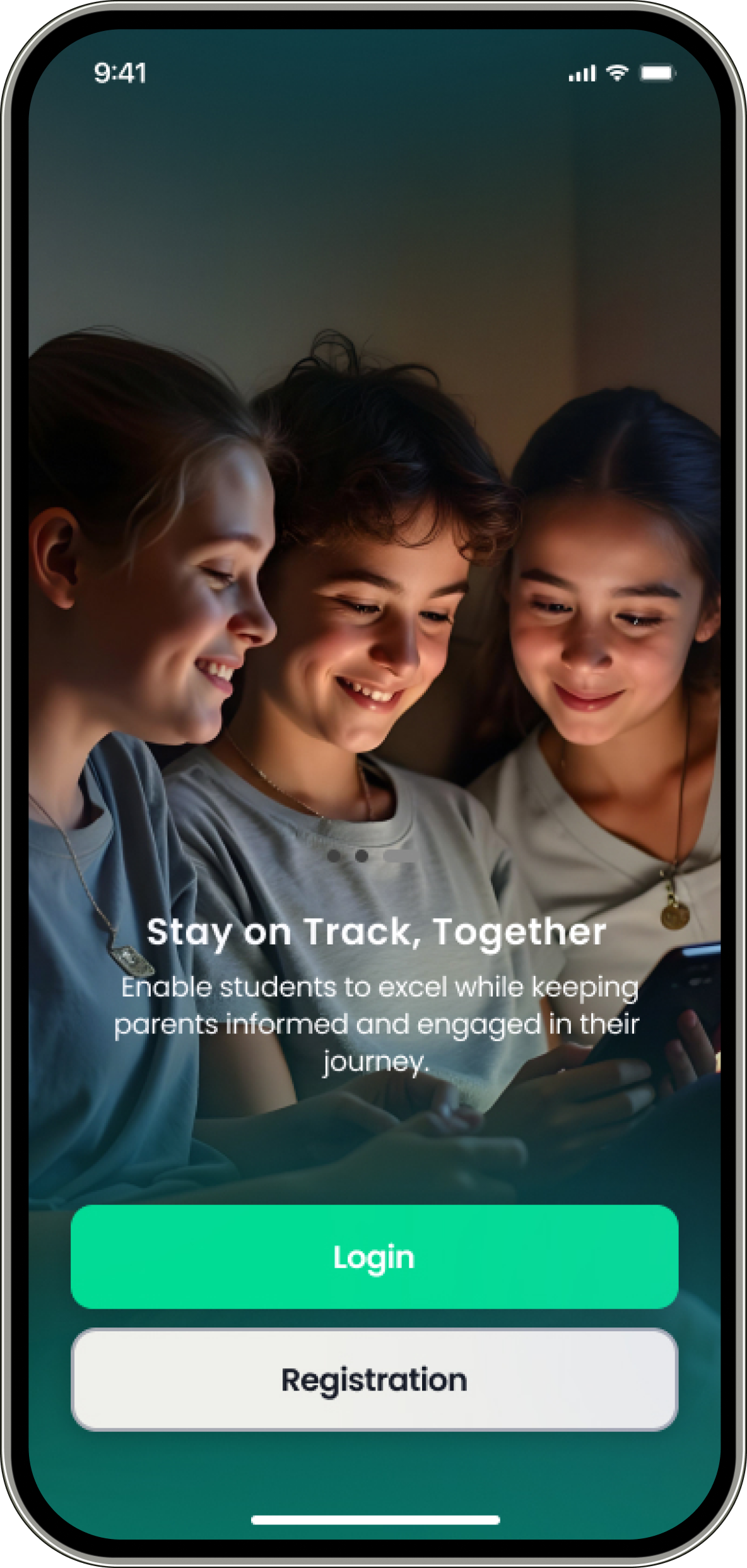
Waqt is designed for two key user groups: Students, who need help managing tasks and time, and Parents, who want supportive visibility into their child’s progress.

Quantitative Research
These research has been made by google forms.
Observations
80%
Students reported struggling to prioritize tasks effectively across subjects.
50%
Parents expressed a desire for real-time visibility into their child’s academic progress.
30%
Students admitted to missing deadlines at least once a week due to poor planning.
90%
Both students and parents preferred an app with visual aids like progress bars and reminders.
User Needs
- A clear and intuitive way to manage and prioritize school tasks and deadlines
- Smart reminders and visual progress tracking to reduce stress and missed assignments
- A non-intrusive way for parents to monitor and support academic performance
Product user challanges
- Students feel overwhelmed by juggling school tasks and extracurriculars
- Difficulty breaking down large assignments into manageable steps
- Parents lack real-time insight into academic progress without direct communication
- Existing tools are too complex or not engaging for younger students
Competitor Analysis
Jupiter
Jupiter is a school communication and grading platform that also offers basic task tracking features for students.
Features
- Assignment calendar and due dates synced with teacher input.
- Messaging and announcements from teachers to students/parents
- Gradebook integration for academic performance tracking


Evernote
Evernote is a general-purpose note-taking app that students often repurpose for task and schedule management.
Features
- Flexible note organization with tags, folders, and reminders
- Cross-platform syncing and mobile-friendly interface
- Lacks academic or parental oversight-specific functionality
Unique features
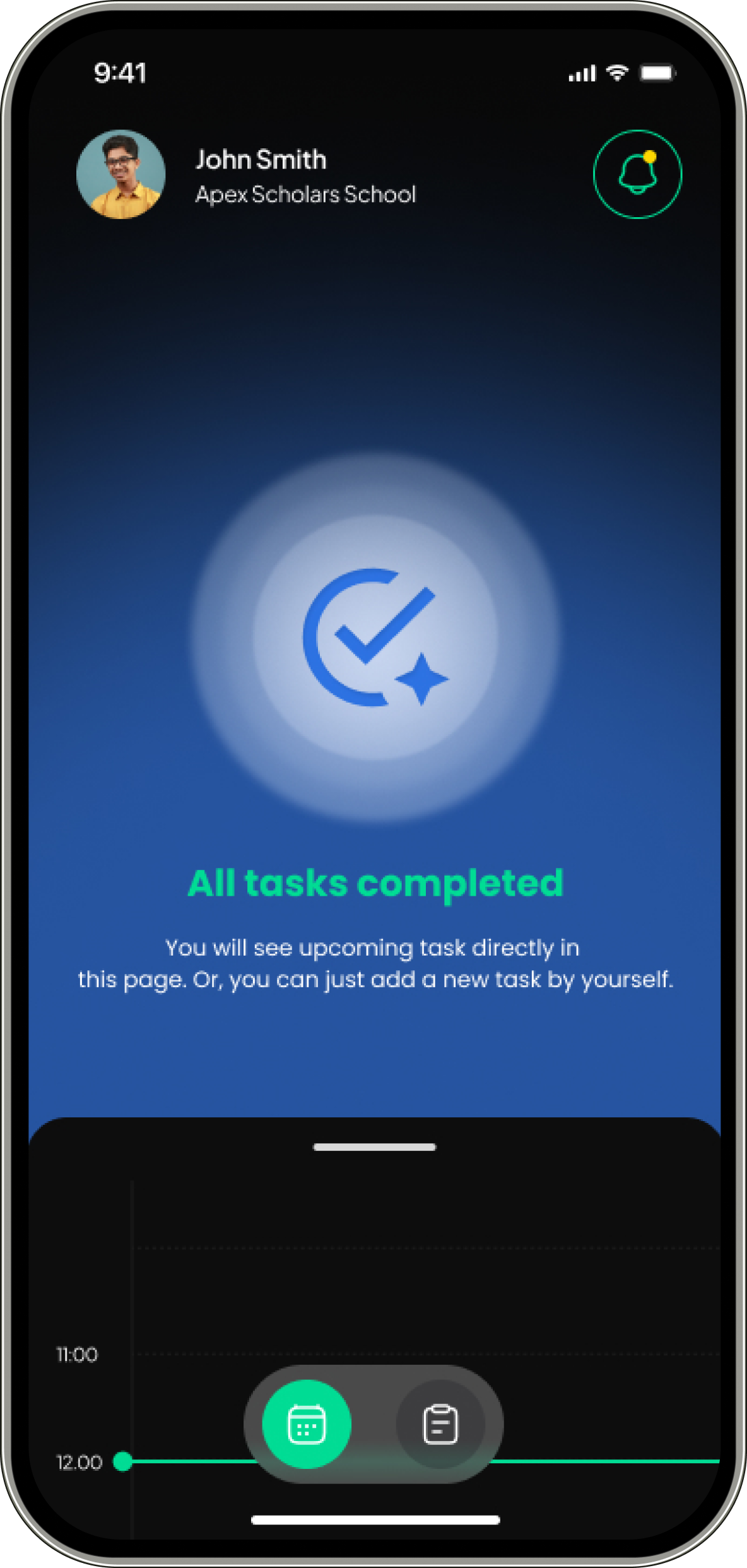
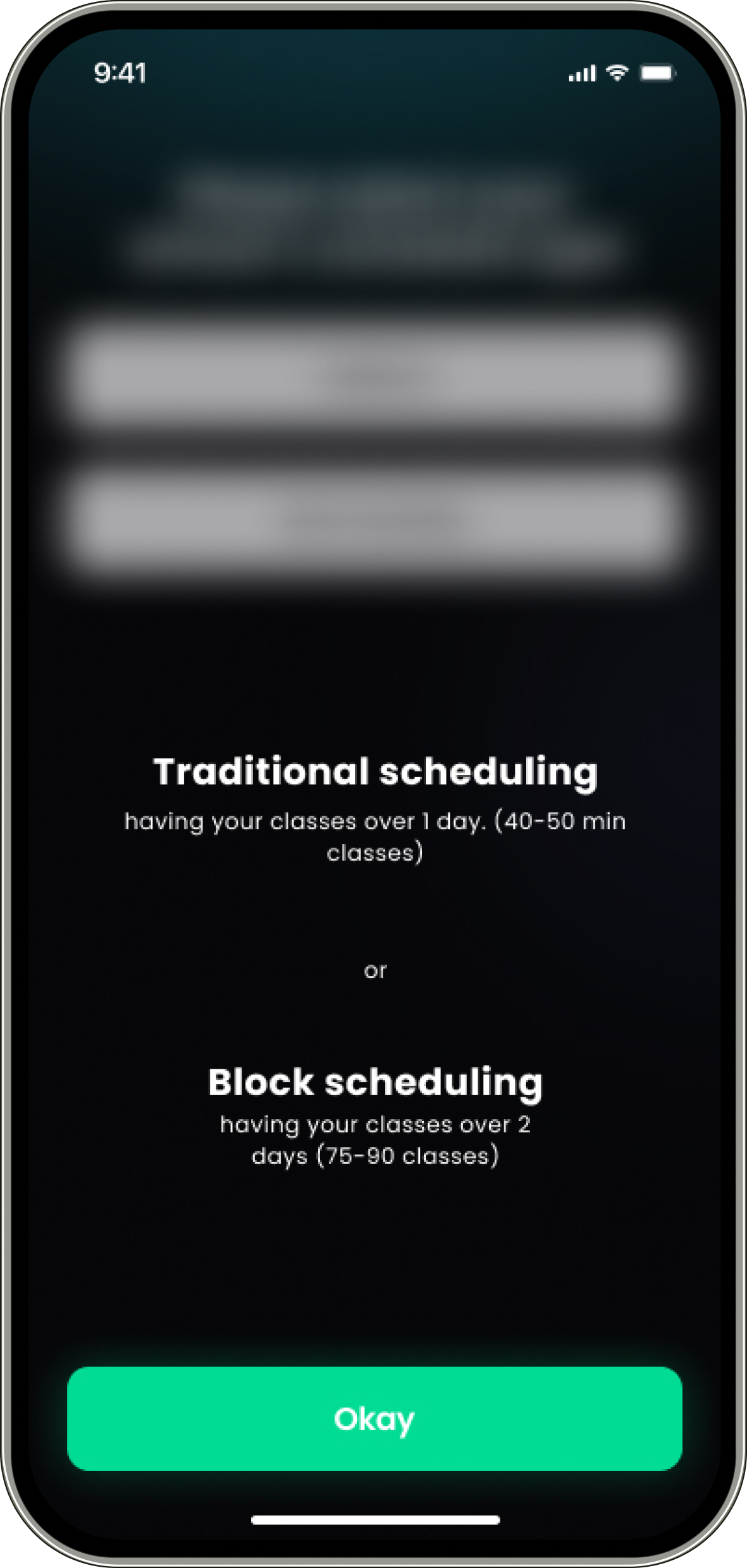
- Adaptive scheduling based on real-time free time and workload
- Confidence score system that alerts parents if a student is struggling
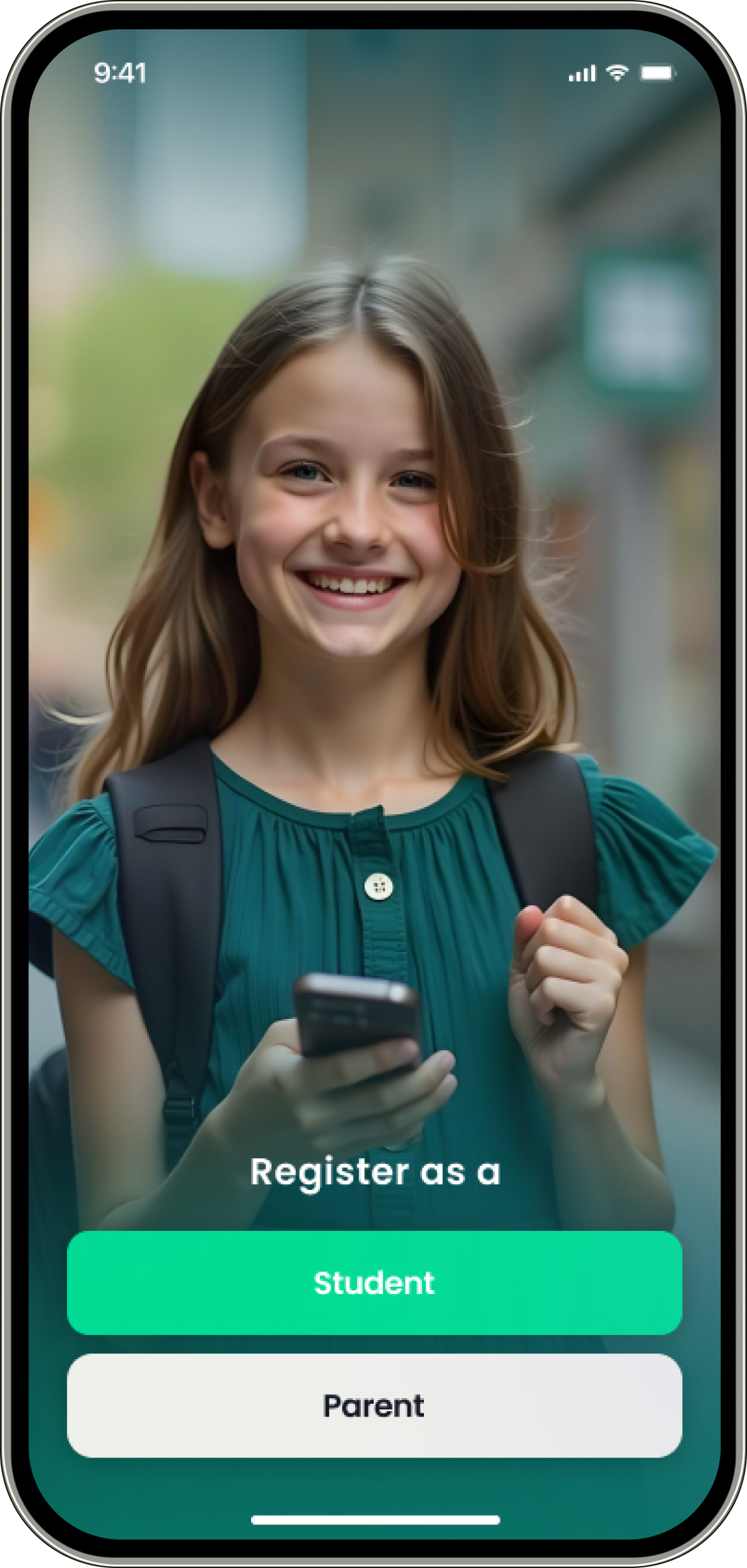
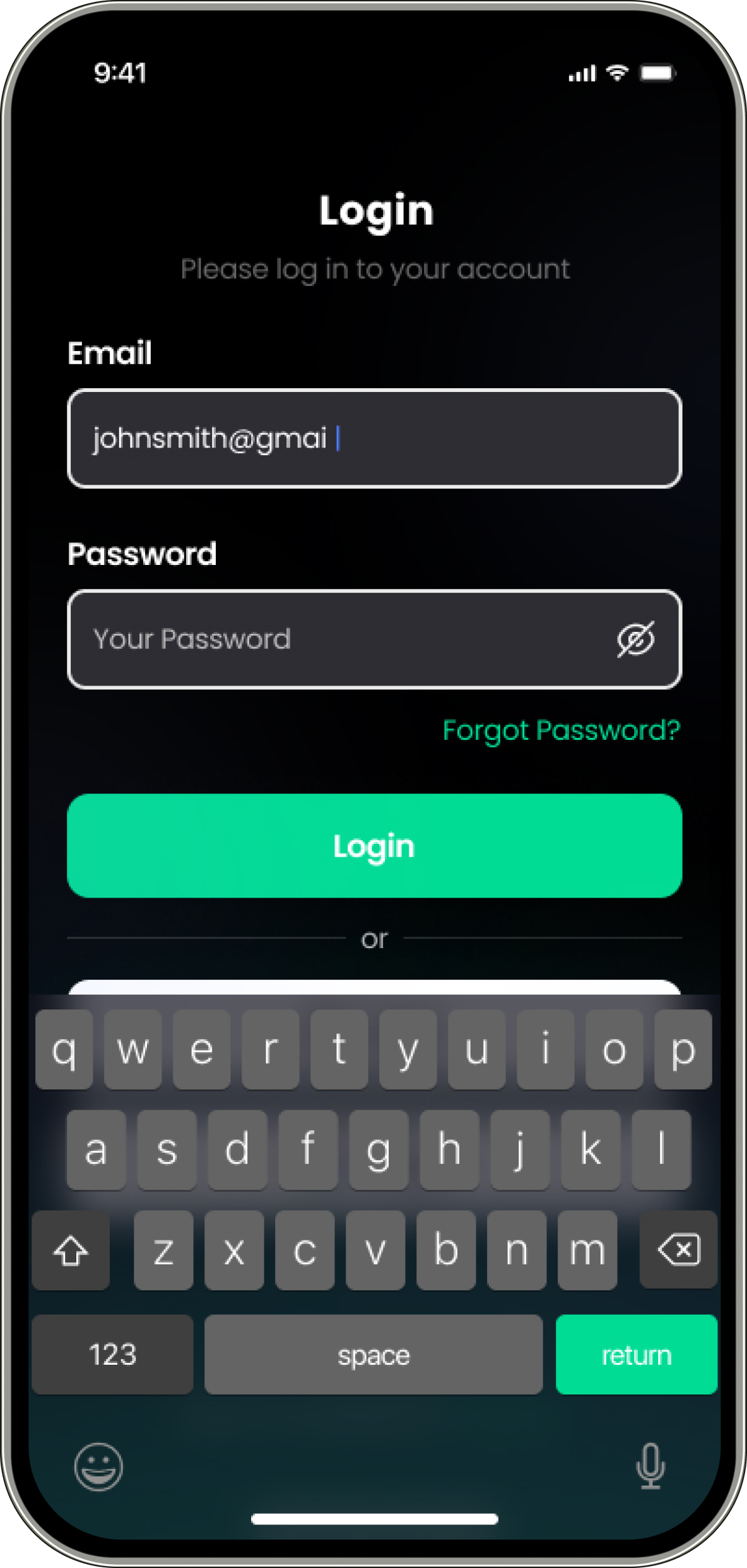
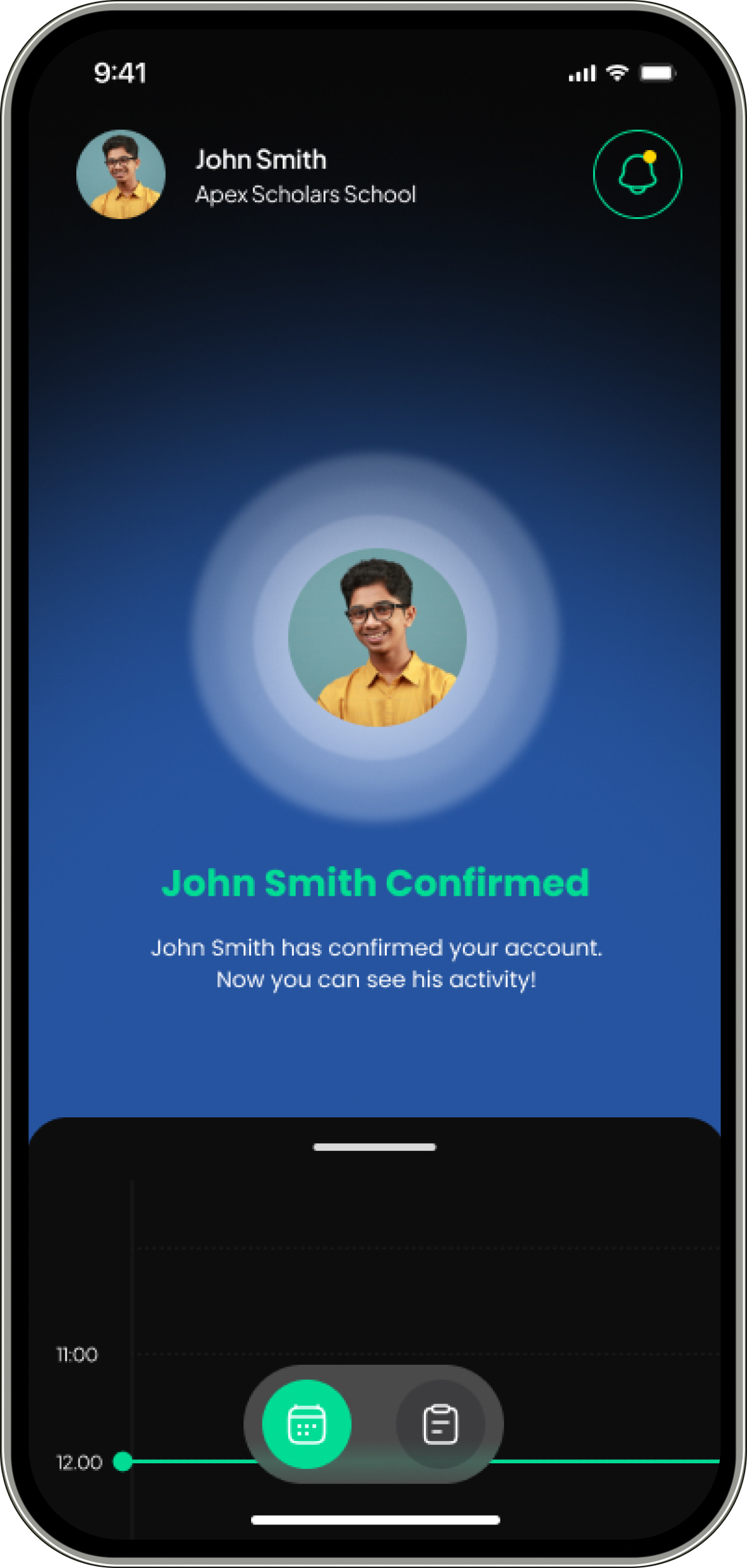
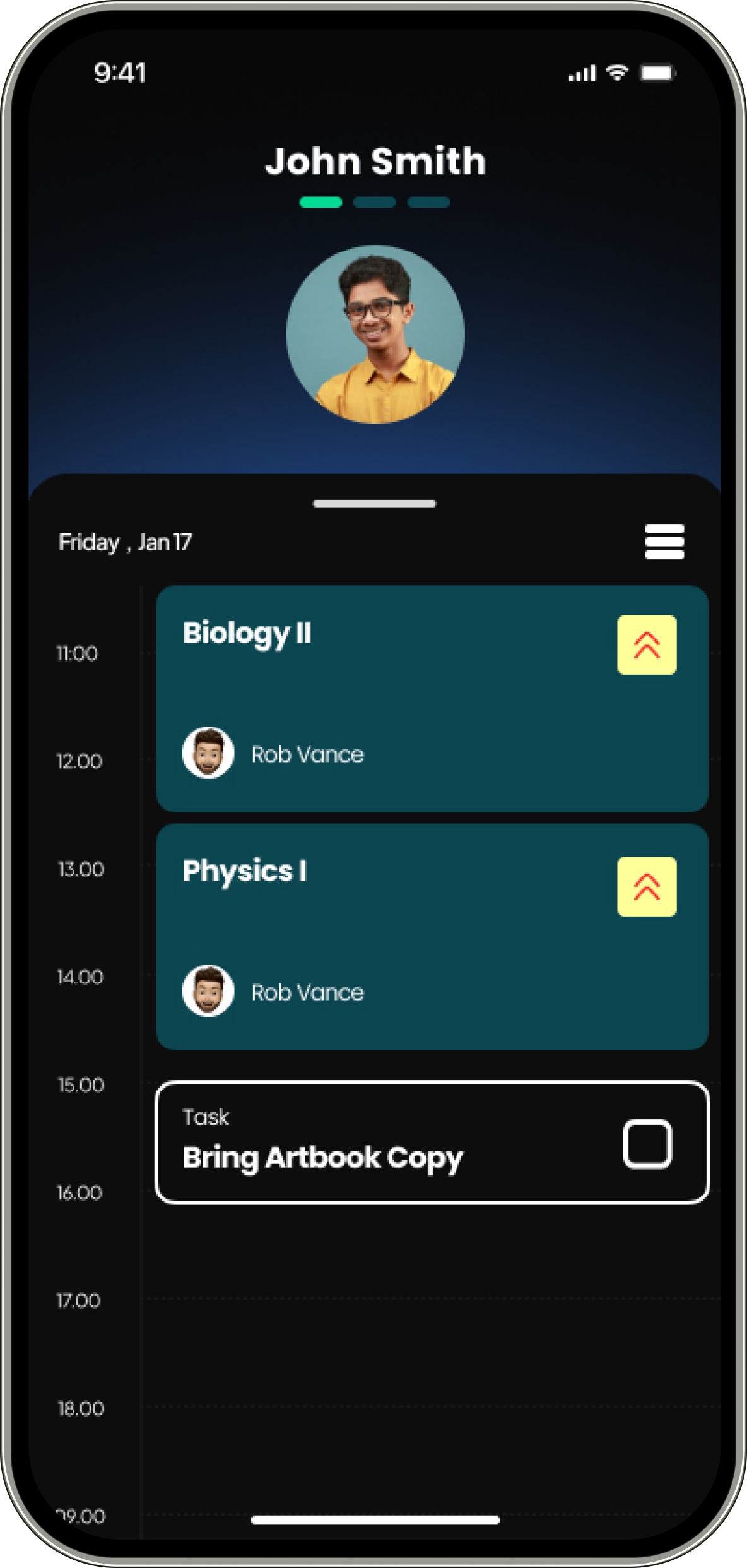
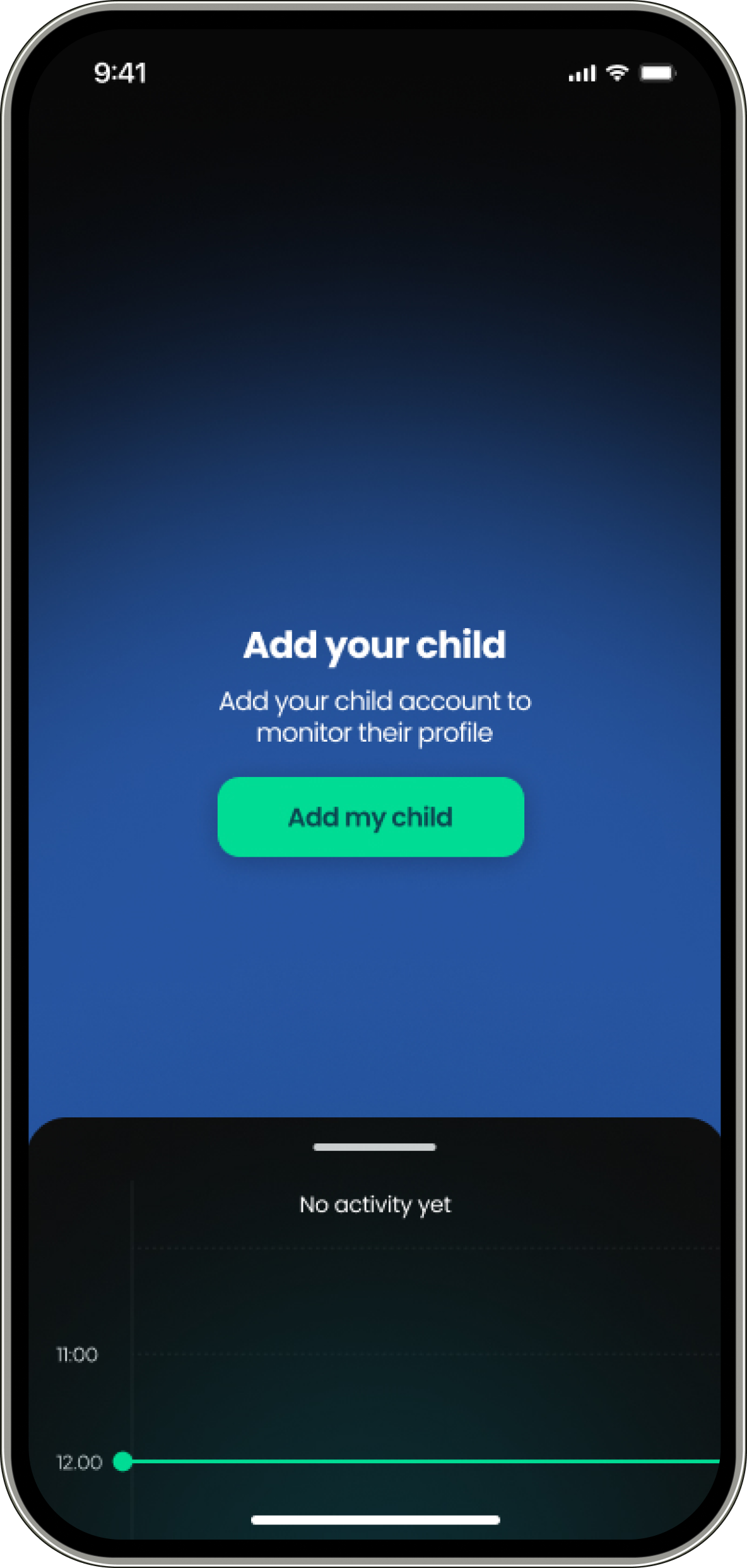
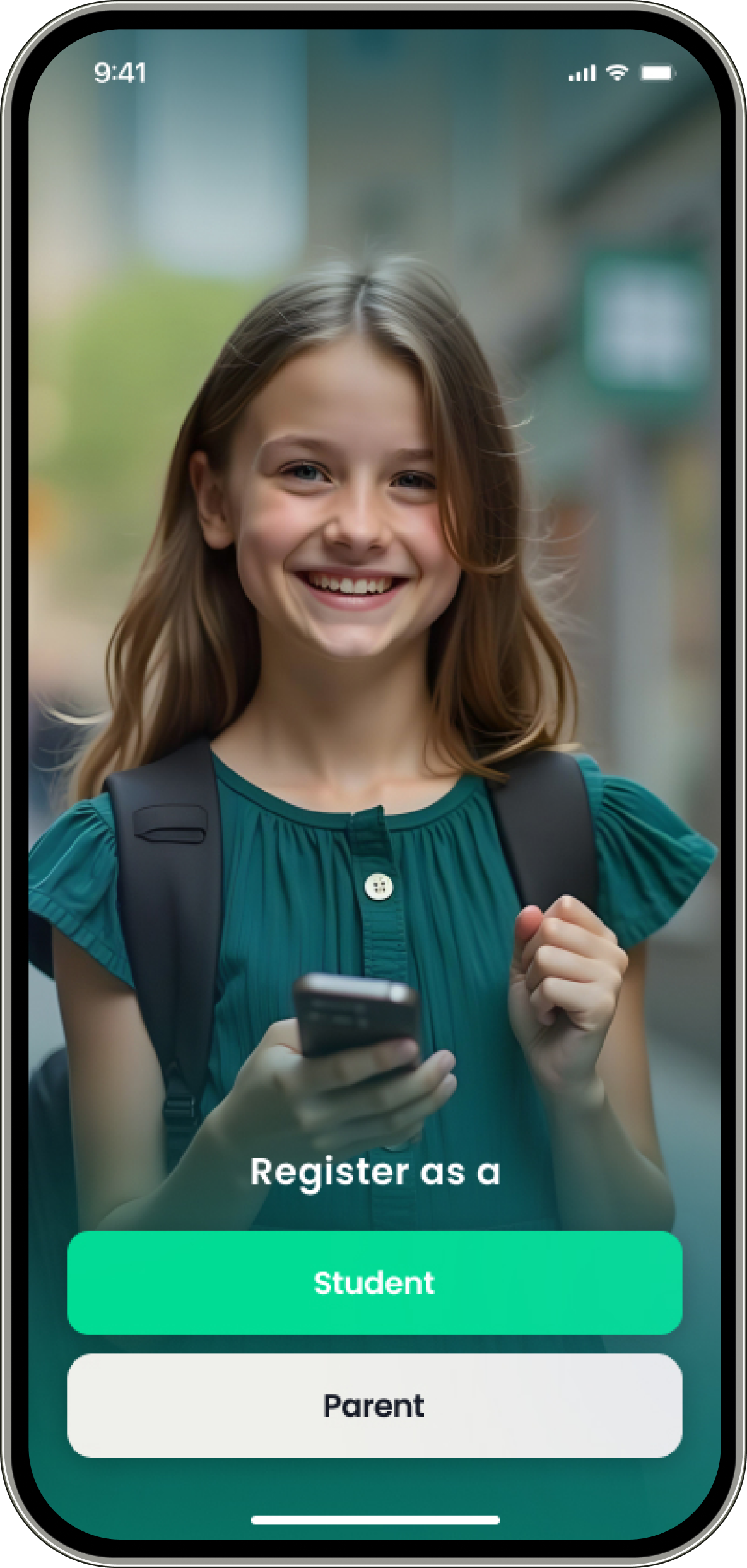
- Dual-panel design for seamless collaboration between students and parents
Task Mapping
Eisen Hover Matrix
5 Why Analysis
Root Cause Analysis (RCA)
Information Architecture
WaQt is on development! Submit your email to get the early build!
Conclusions & Final Thoughts
Designing Waqt was a deeply insightful experience that highlighted the unique challenges students face in managing their time effectively. Over two months, I crafted a dual-panel solution that balances structure with flexibility—empowering students to stay organized while giving parents just the right level of involvement. The app’s adaptive scheduling, task prioritization, and parental insights are all designed to foster accountability without adding pressure.
This project reinforced the importance of user-centered design, especially when creating tools for younger users. The feedback and research not only shaped the product features but also provided a clearer vision of how digital tools can support academic growth and family collaboration.