

Duration:
3 Months
Role:
UX/UI Designer
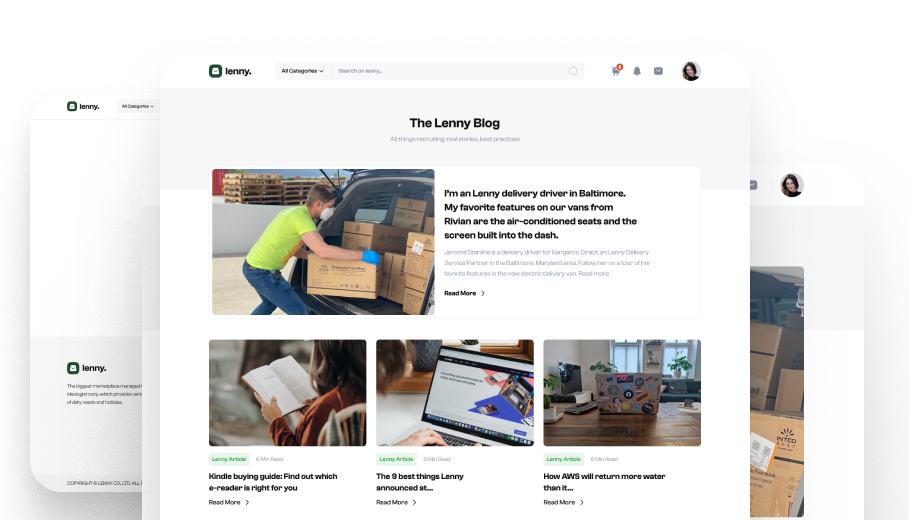
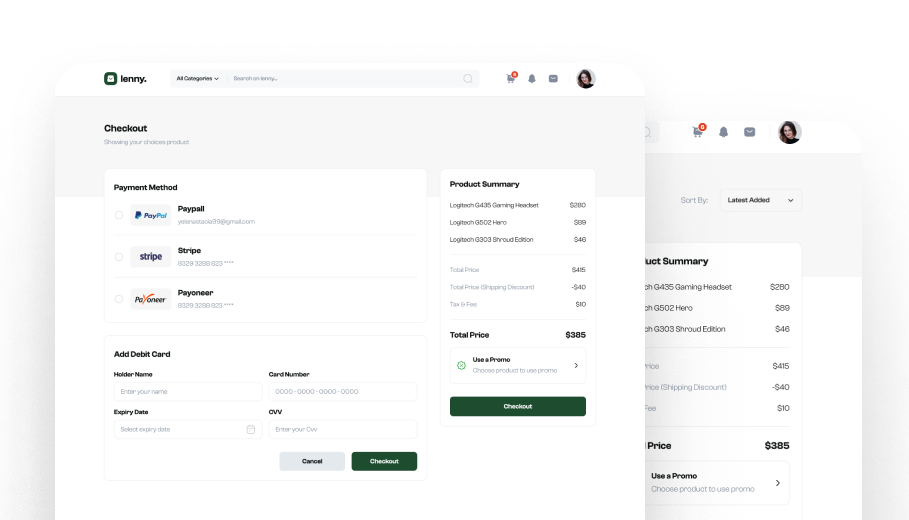
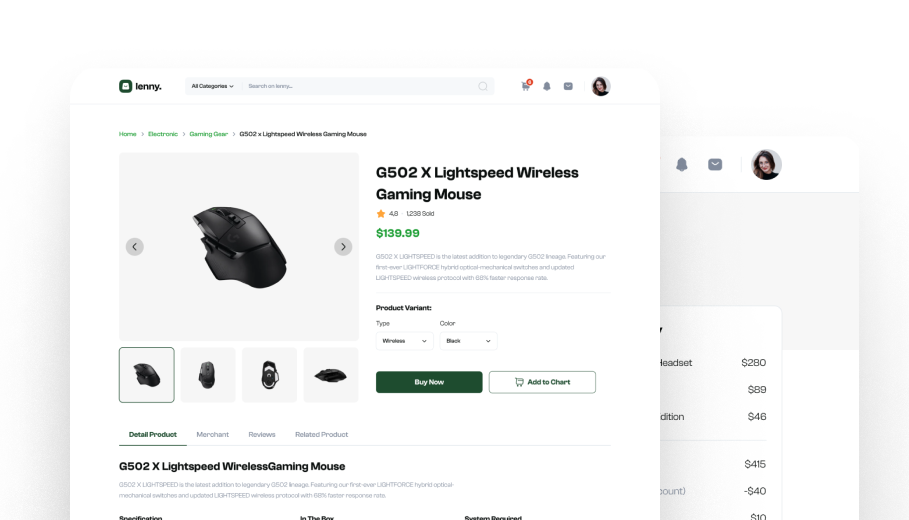
I designed a complete e-commerce experience for Lenny, a modern, lifestyle-focused online store that blends fashion, tech, and everyday essentials. The project covers the full user journey—from landing and product discovery to detailed product pages, cart management, checkout, and content engagement via blogs.
With a focus on usability, visual clarity, and conversion-optimized flows, this design ensures a seamless shopping experience across desktop interfaces. Every section was crafted to meet user expectations while reflecting the brand’s clean and confident identity.
Problem Statement
In today’s fast-paced online retail environment, many e-commerce platforms suffer from cluttered interfaces, poor product discovery, and fragmented user journeys—leading to cart abandonment and low engagement. Lenny was designed to address these pain points by creating a seamless, modern shopping experience that’s intuitive, engaging, and conversion-focused.

Objectives & Goals
- Design a clean, scalable e-commerce interface that prioritizes usability and aesthetics
- Streamline the product discovery and checkout experience to reduce friction and boost sales
My Process

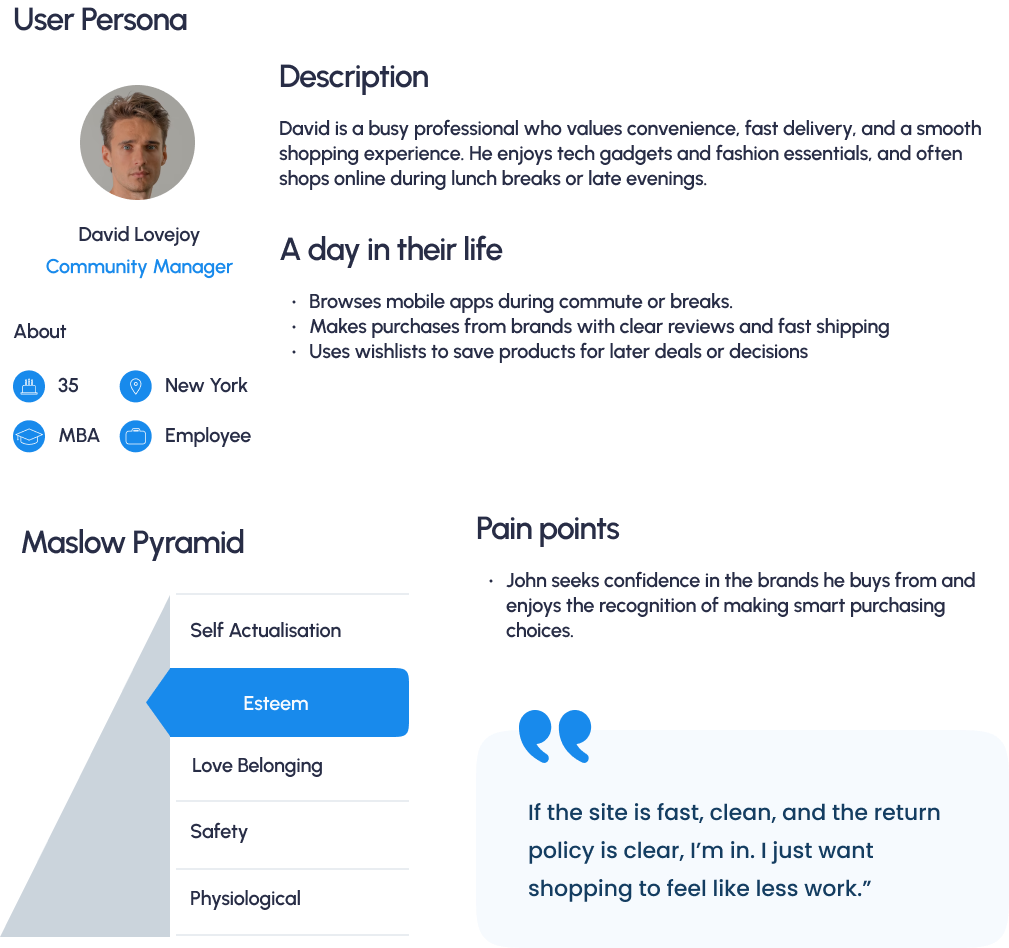
Product Users
To ensure Lenny meets the needs of its diverse user base, we identified key personas representing different shopper behaviors—from tech-savvy gadget lovers to fashion-forward individuals and value-conscious everyday users. Understanding their goals, frustrations, and motivations helped us guide design decisions across the entire platform.
Quantitative Research
These research has been made by google forms.
Observations
80%
of users said they abandon carts if checkout feels complicated.
60%
preferred having multiple product images and zoom-in features.
50%
expressed difficulty in filtering products on other platforms.
90%
were more likely to buy from stores with visible reviews and ratings
Business Challenges
- Increase conversion rates by reducing cart abandonment
- Build user trust through transparent product information
- Improve product discovery to handle a large and growing inventory
- Minimize support tickets by designing intuitive user flows
- Stand out in a saturated market through a clean, modern brand experience
User Needs
- A quick and simple checkout process without unnecessary steps
- Easy product comparison and filtering to make informed decisions
- Mobile-friendly interface for browsing and purchasing on-the-go
- Clear return, shipping, and review information
- Personalized product recommendations based on browsing history
Competitor Analysis
ASOS
ASOS is a leading fashion-focused e-commerce platform popular among Gen Z and millennials.
Features
- Highly curated fashion catalog with detailed filtering by size, style, brand, and price
- AR-powered try-on tools and video previews for select products
- Wishlist, saved sizes, and personalized recommendations based on browsing history

Amazon
Amazon is the largest global e-commerce marketplace, covering nearly every category imaginable.
Features
- Massive product range across electronics, clothing, books, groceries, and more
- Advanced search and filter engine with user reviews and Q&A
- One-click checkout, same-day delivery (Prime), and easy returns
Unique features
- Clean and Focused UI: Lenny delivers a minimal, distraction-free interface that enhances browsing and product discovery.
- Integrated Product Reviews & Visual Ratings: Every product page includes real-time reviews, rating breakdowns, and customer photos to build trust.
- Personalized Shopping Experience: Dynamic product recommendations based on browsing behavior and preferences.
- Content + Commerce Strategy: A dedicated blog section that drives SEO and supports buying decisions through storytelling and product highlights.
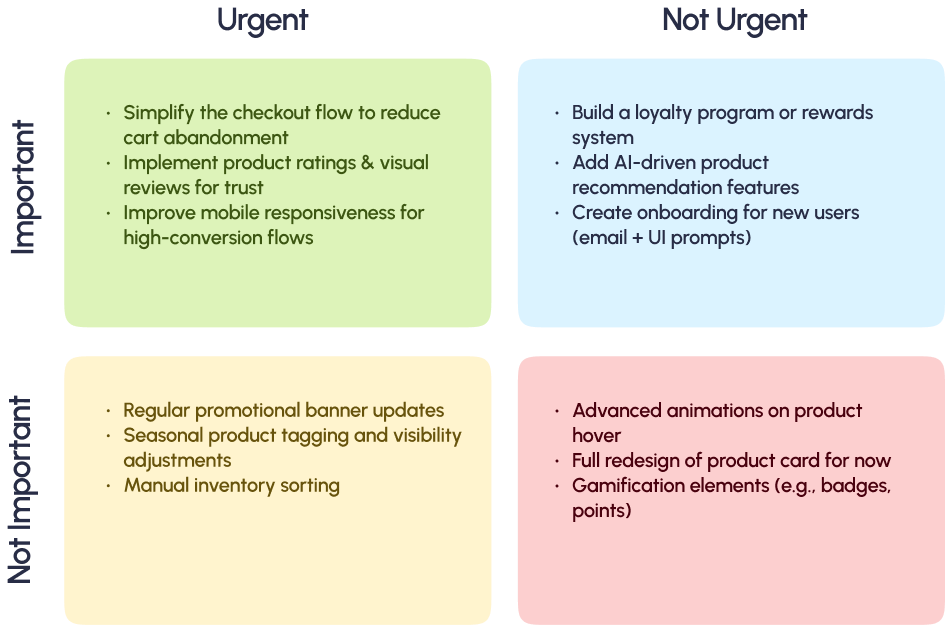
Eisen Hover Matrix
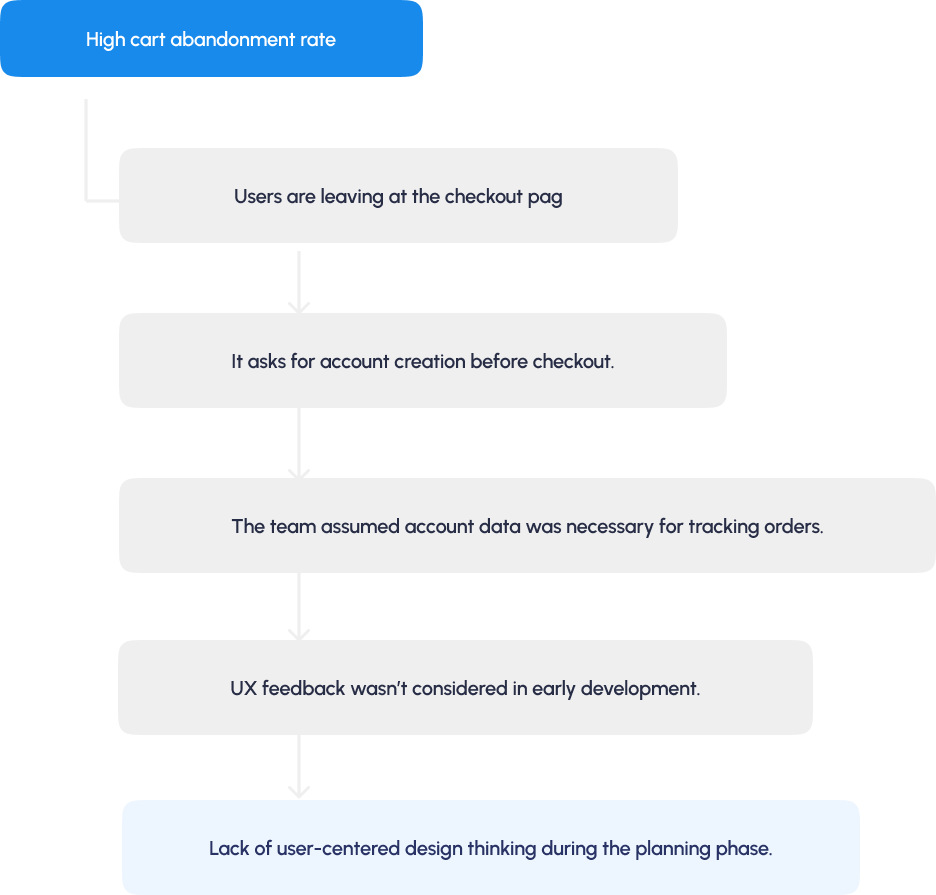
5 Why Analysis
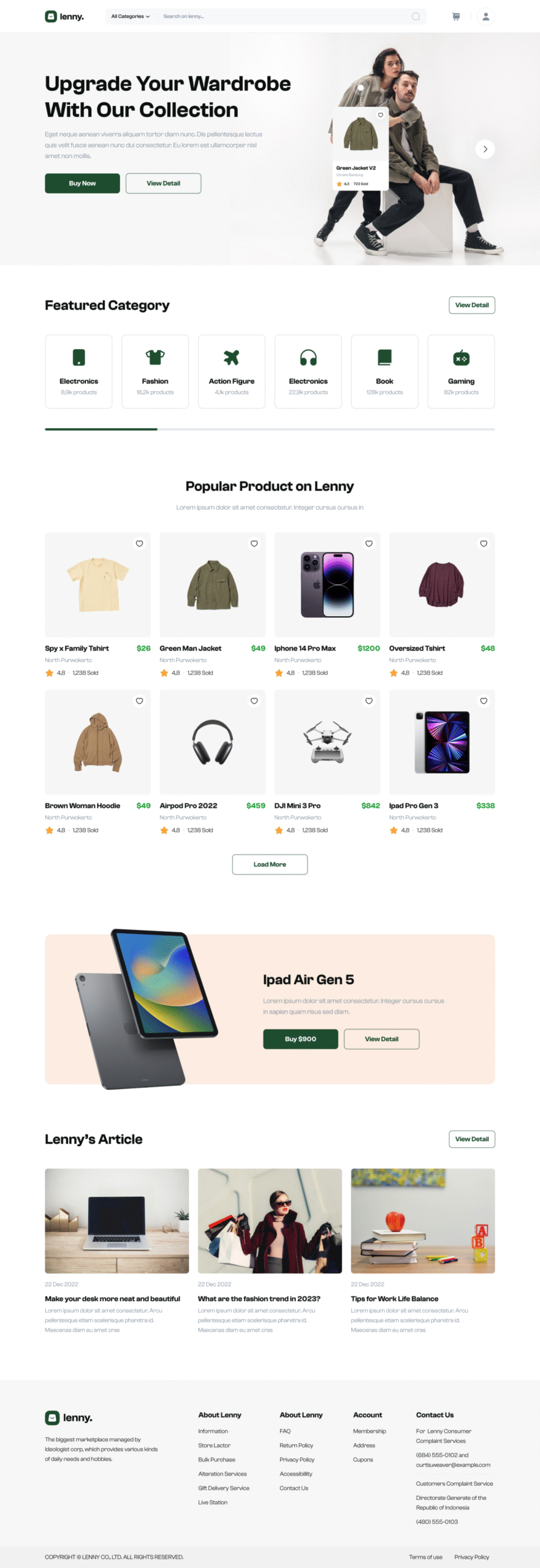

This is a concept project. If you want to check the source file please ask for access!
Conclusions & Final Thoughts
Designing the PRMS telecom dashboard has been an ongoing, collaborative process focused on streamlining complex workflows for large-scale telecom operations. By grounding our design in user research and industry insights, we aimed to create a solution that is not only functional but also intuitive for a wide range of users—from project managers to support teams.
While the dashboard is still in development, early prototypes and feedback indicate a strong alignment with user needs, particularly around role-based views, centralized task management, and data accessibility. As we continue to refine the interface and test usability, our goal remains to deliver a scalable platform that enhances efficiency, reduces friction, and empowers telecom teams to make faster, data-driven decisions.